My Press/Writing
Opal
I helped build the architecture of addiction for social media and I see warning labels coming. That's just a start | Fortune
It's the movement Silicon Valley didn't see coming. We fantasize about four-day work weeks but we can't even protect five-day ones.
fortune.com
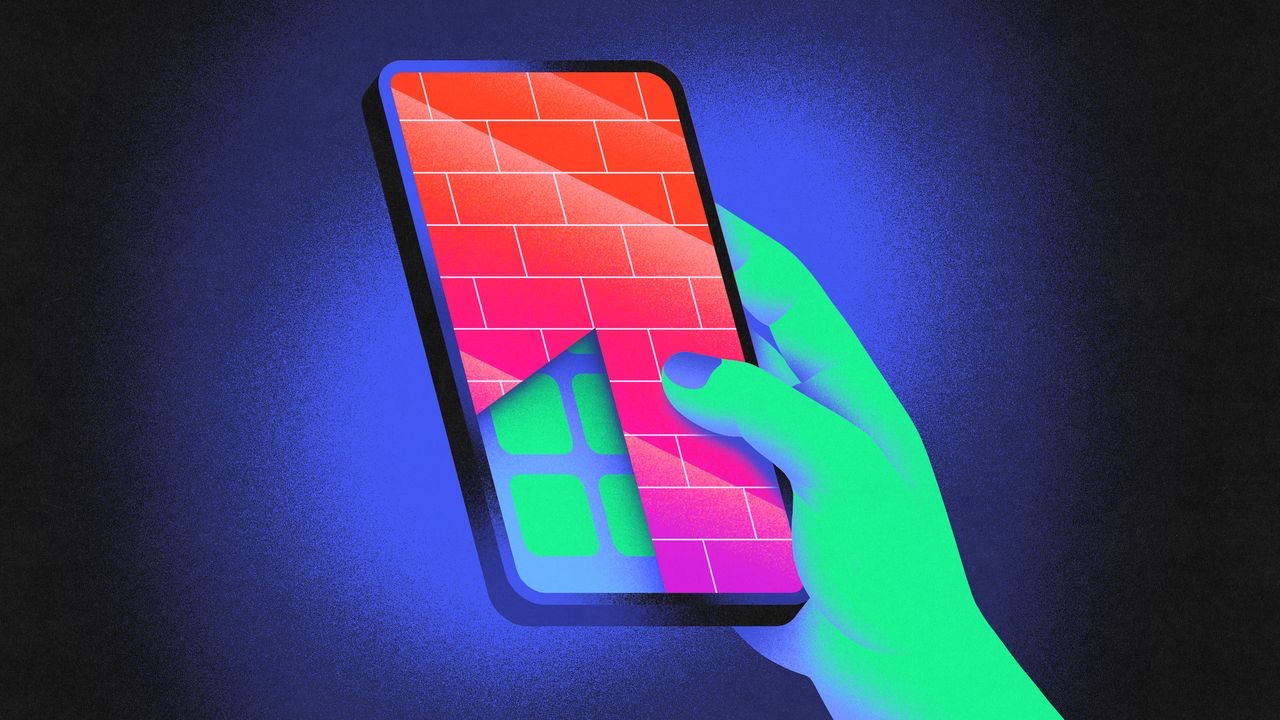
Gentle Parenting My Smartphone Addiction
An app called Opal finally succeeded at curbing my time spent on social media through a combination of mild friction, encouragement, and guilt.
Built for Change su Apple Podcasts
Economia · 2024

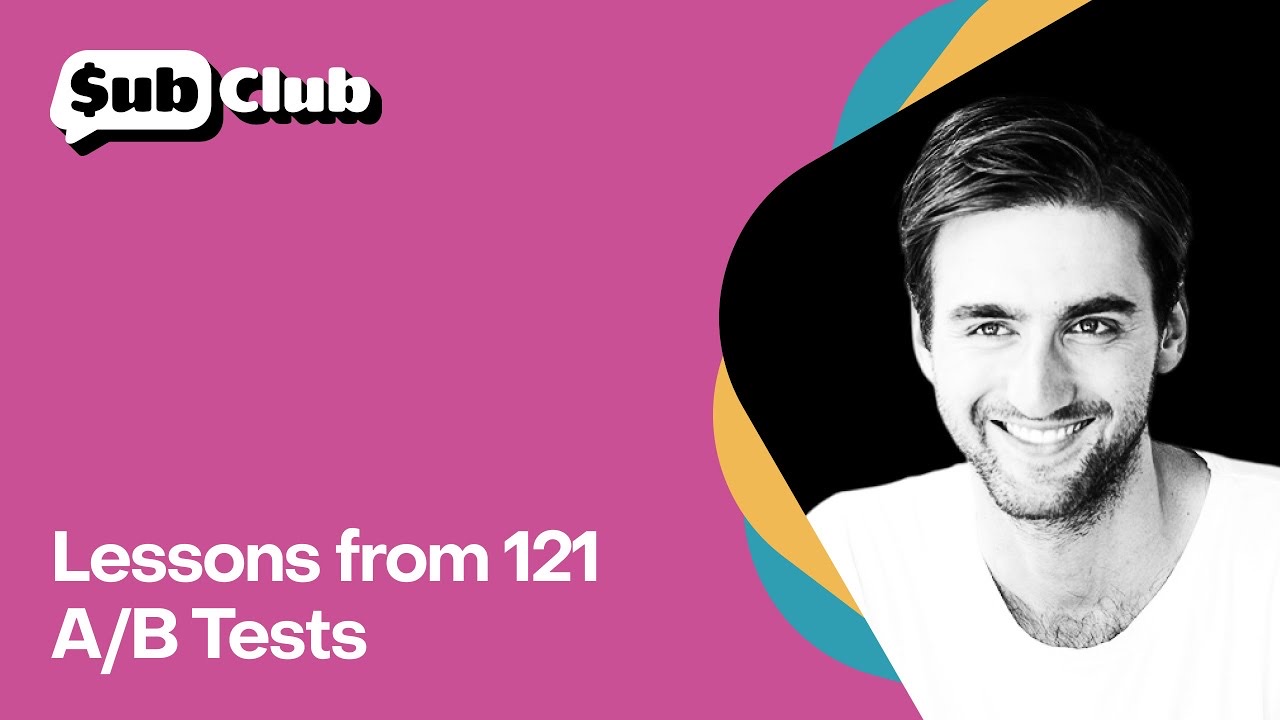
Lessons from 121 A/B Tests - Kenneth Schlenker, Opal
On the podcast we talk with Kenneth about scaling to $5M in ARR on paid ads, positive and negative results from 121 A/B tests, and why they still haven’t built an Android app.
💡 The Power of a Single Metric: Concentrating on just one key metric can be remarkably effective. In the early stages, it's common to take on too much. By zeroing in on a solitary metric, it becomes simpler to iterate and conduct large-scale testing.
👀 Subscriptions as a Market Fit Gauge: The subscription model acts as a litmus test for your app's value. Gating access early and observing if users are willing to pay offers clear evidence of your app's worth.
💬 Flexibility in Attribution Methods: There's no one-size-fits-all approach to attribution. Various apps adopt diverse strategies. Often, straightforward methods like asking users about their discovery path during onboarding can be the most reliable.
🤳🏼 Prioritizing Creativity in Paid Marketing: If your strategy leans heavily on paid marketing, expect to dedicate at least 80% of your efforts to crafting creative content. For smaller teams, collaborating with content creators and influencers can be an effective strategy for scaling.
📱 Choosing a Single Platform for Initial Launch: Easing early-stage challenges is feasible by focusing on a single platform. Many startups overextend by launching on multiple platforms simultaneously. Opting for a single platform, such as iOS, allows you to concentrate your limited resources on achieving initial milestones before considering a broader launch.
About Guest
👨💻 Founder and CEO of Opal, an app that helps users limit their screen time and find focus.
📱 Even though iOS includes screen time management tools, Kenneth and his team believed they could improve the experience – and that users would pay for it.
💡 “Essentially, if you get people to pay for your products… that's a pretty strong signal that you have something pretty valuable.”
👋 LinkedIn
Links & Resources
Connect with Kenneth via LinkedIn: https://www.linkedin.com/in/kennethschlenker/
Check out Opal: https://www.opal.so/
X: https://twitter.com/kschlenker
Episode Highlights
[1:09] A three-phase approach: How the Opal team tackled building a subscription business for a screen time management app.
[4:54] When ad spend is worth it: Opal implemented paid marketing from the beginning – and it paid off.
[10:44] Attribution made easy: Sometimes the simplest method of finding out where users came from – just asking them! – is the most useful.
[13:08] Contracting creatives: Consider hiring independent contractors who care about your mission to build your ad content.
[17:22] From premium to freemium: Many apps (like Duolingo) start out free, then add paid subscriptions later. Opal is doing the opposite.
[25:53] Work smarter, not harder: Releasing your app on a single platform (instead of iOS, Mac, web, and Android all at once) can save your team a lot of time and money.
[30:07] Lessons from 121 A/B tests: Prioritize the bigger swings that will significantly increase your uplift early on.
Subscribe to the podcast → https://www.subclub.co
Follow Us:
• David Barnard: https://twitter.com/drbarnard
• Jacob Eiting: https://twitter.com/jeiting
• RevenueCat: https://twitter.com/RevenueCat
• Sub Club: https://twitter.com/SubClubHQ
 youtube.com
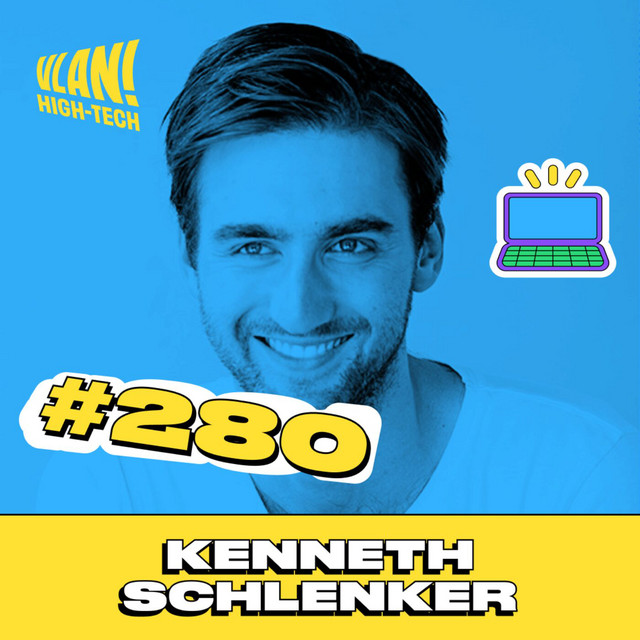
#280 Addiction aux écrans : reprendre le contrôle avec Kenneth Schlenker
Listen to this episode from Vlan! on Spotify. Kenneth Schlenker est le fondateur d'Opal, une application qui permet de réduire le temps perdu devant un écran et particulièrement devant un smartphone. Nous sommes tous plus ou moins addict à nos écrans ce qui est totalement normal quand on sait comment et pourquoi cette industrie s'est développée. Avec Kenneth nous essayons d'expliquer la logique derrière l'industrie de l'attention, nous parlons particulièrement de l'illusion de contrôle que cela nous donne. Les chiffres donnent le vertige, on passe en moyenne 17 ans dans une vie sur un écran, on ouvre son téléphone plus de 100 fois par jour, on touche beaucoup plus souvent son téléphone que l'on ne touche un autre humain... Bref, vous devez savoir précisément ce dont je parle. Cela n'est pas sans conséquence au niveau individuel : solitude, santé mentale mais aussi au niveau collectif puisque nous pouvons tous nous faire manipuler et cela peut faire flancher la démocratie. J'ai appris beaucoup de choses en parlant avec Kenneth et je pense que vous aussi vous allez en apprendre beaucoup en réalité car cette industrie est particulièrement opaque. Savez vous par exemple que les entreprises de tech savent mieux que vous comment vous vous sentez et dans quel niveau d'émotion vous vous trouvez et d'adapter le contenu que vous allez consommer en fonction ? Voici en parti les sujets que l'on aborde : 1. Penses-tu que l'utilisation excessive du téléphone portable peut être considérée comme une véritable addiction ? Pourquoi ? 2. Quels sont les symptômes de retrait que tu as personnellement expérimentés lorsque tu n'avais pas accès à ton téléphone ? 3. Es-tu d'accord avec l'idée que l'utilisation du téléphone est souvent inconsciente et ne sollicite pas nécessairement la part consciente du cerveau ? Pourquoi ? 4. Utilises-tu un téléphone de grande taille ou de petite taille ? Crois-tu qu'il y a un lien entre la taille du téléphone et le temps que tu passes à l'utiliser ? 5. Que penses-tu de l'idée d'utiliser un téléphone plus petit comme solution pour limiter l'utilisation excessive ? Est-ce quelque chose que tu pourrais envisager ? 6. As-tu déjà utilisé un téléphone secondaire lorsque tu sors de chez toi pour éviter d'être trop distrait par ton téléphone principal ? Si oui, est-ce que cela t'a aidé à réduire ton temps d'utilisation ? 7. As-tu déjà entendu parler du Light Phone ou d'autres appareils similaires ? Que penses-tu de l'idée d'un téléphone inintelligent qui limite les distractions mais permet tout de même de se connecter à quelques services essentiels ? 8. Penses-tu que les entreprises technologiques ont un impact significatif sur notre comportement ? Dans quelle mesure penses-tu qu'elles utilisent l'illusion de contrôle pour rendre leurs produits attractifs et addictifs ? 9. Selon toi, quelles sont les conséquences négatives de la surconsommation d'informations et de l'utilisation excessive des nouvelles technologies ? 10. Comment pourrions-nous trouver un équilibre sain entre l'utilisation des nouvelles technologies et la maintien d'une vie épanouie et productive ? Suggestion d'autres épisodes à écouter : #178 Les technologies vont-elles nous permettre de faire face au défi climatique? avec Philippe Bihouix (https://audmns.com/ktZSlzb) #141 Les technologies et l'intelligence artificielle face à la crise climatique avec Luc Julia (https://audmns.com/WJCdimQ) Vlan #135 Se reconnecter à l'intelligence du corps avec Eve Berger Grosjean (https://audmns.com/ETKQSfx)
 open.spotify.com
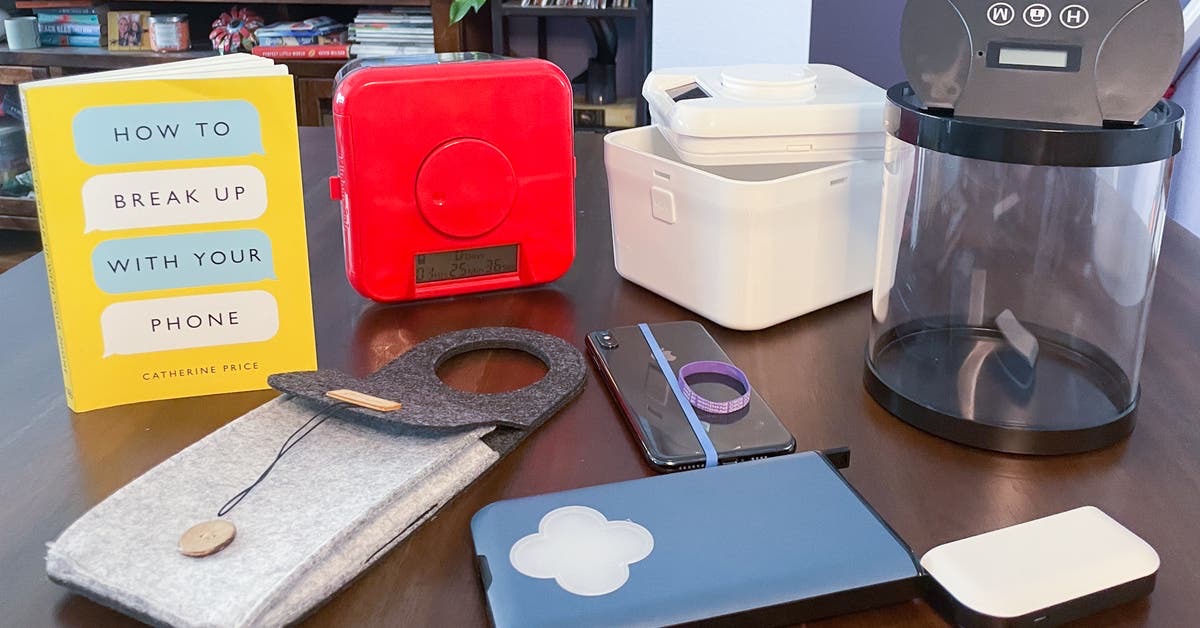
Everything You Need to Break Up With Your Phone, From Free Tricks to Phone Safes
Your phone knows how to pull you in. Here’s how to reclaim your attention span.
nytimes.com
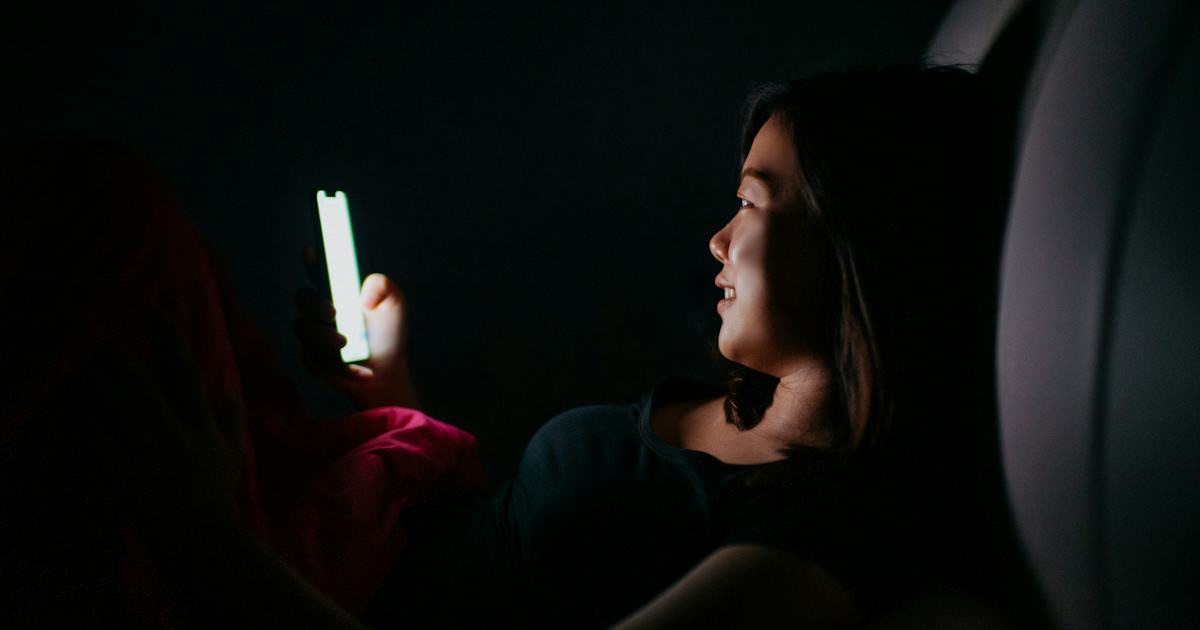
Développer une relation plus saine à la technologie
À l'occasion de la journée internationale de la déconnexion ce samedi 4 mars, retour sur les bienfaits de la limitation du temps d'écran et les bonnes pratiques pour y parvenir.
 journaldunet.com

The Artistry of Entrepreneurship | Kenneth Schlenker (Opal, Bird, Google)
🎙️ Step into the world of tech and art with Kenneth Schlenker, the visionary founder of Opal, as we embark on a captivating conversation exploring the convergence of technology, entrepreneurship, and art.
With a background in product marketing at Google and an enduring passion for art, Kenneth shares insights drawn from both worlds, offering a unique perspective on creating impactful products and engaging with the ever-evolving landscape of digital innovation.
👉 In this engaging dialogue, we journey through:
🌟 The parallels between artists and entrepreneurs, both driven by a unique vision of the world.
🌐 Opal's mission to help people focus better and the challenges of scaling impact.
🌆 The intersection of tech and art, where reality blurs with generative AI, and how it ties into Opal's quest for screen-time balance.
📖 Kenneth's thoughts on the power of art in storytelling, and the need to connect with an audience.
🚀 Opal's plans for the future, simplifying the experience and expanding accessibility to help more people focus better.
Join us on this remarkable journey through the mind of a tech entrepreneur with an artist's soul, and discover the intersection of creativity, innovation, and impact.
_______________________________________
🔗 Where to find Kenneth Schlenker
- Linkedin: https://www.linkedin.com/in/kennethschlenke
- Twitter: https://twitter.com/kschlenker
📊 Where to find June
- Twitter: https://twitter.com/JuneDotSo
- Linkedin: https://www.linkedin.com/company/juneso
- Website: https://www.june.so/
👉 The June Podcast is powered by june.so
Discover a new way to do product analytics at june.so
 youtube.com

This Screen Time Tracking App Helped Me Quit My Nightly TikTok Habit
If it takes 10,000 hours of practice to become an expert, my expertise is in watching TikToks until 4 a.m. and waking up with a blue light hangover. Yes, I've set Screen Time limits; yes, I ignore them.
Phones can make us happy
How we spend our time defines who we are. Today, we spend more waking hours on screens than in real life. That time is unguarded and much of it gets stolen from us. When our time is stolen, we cannot be in control of our lives.
 opal.so

The digital wellbeing economy | STATION F
About this event The current COVID-19 pandemic has driven significant changes within the health industry, and tech is at the forefront of this. We've seen many products and services developed to address existing healthcare needs, but also new trends emerging such as mental health issues.
 app.livestorm.co
Nouveau monde. Opal, une appli française qui aide à reprendre le contrôle de son temps de cerveau
Indispensables dans nos vies, les écrans de nos ordinateurs et smartphones prennent cependant trop de place. Une application aide à déconnecter.
 francetvinfo.fr
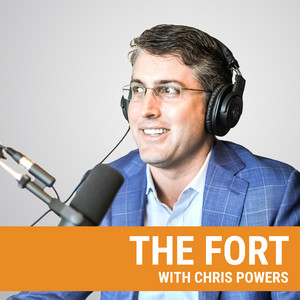
#122: Kenneth Schlenker - Founder of Opal - Take Back Control Over Your Screentime
Listen to this episode from The FORT with Chris Powers on Spotify. Kenneth Schlenker is the Founder of Opal, an app that was created to give control back to the users of screens. Opal uses a VPN to block access to distracting apps in a way that encourages us to think about the 'why' of what we are doing when we mindlessly pick up our phones.
open.spotify.com
Opal raises $4.3 million for its 'digital well-being' assistant for iPhone
Many people want to develop better screen-time habits, but don't have a good set of tools to do so. A new startup, Opal, aims to help. The company, now backed by $4.3 million in seed funding, has developed a digital well-being assistant for iOS that allows you to block distracting websites an...
 techcrunch.com
Opal cuts off your apps' internet access to help you stop doomscrolling
The coronavirus pandemic has had us spend more time on our phones. Last year gave birth to doomscrolling and it was hard to take your eyes off the screen. Now a new app called Opal has a novel approach to disconnecting your apps from the internet to help you save some time from mindless hours of [...]
thenextweb.com
Opal, l'appli qui vous aide à reprendre le contrôle de votre vie digitale
La jeune pousse créée par le franco-américain Kenneth Schlenker lève 3,5 millions d'euros. Elle permet de limiter l'utilisation des applications les plus chronophages afin de se concentrer sur sa vie professionnelle et privée.
 lesechos.fr
Bird
Bird chooses Paris for electric scooter hub in Europe
Electric scooter sharing start-up Bird plans to open its largest European hub in Paris and hire 1,000 people over the next two years, underlining its backing for one of the world's biggest scooter markets despite a regulatory crackdown. Los Angeles-based Bird's current presence in Paris is a service centre where its fleet of e-scooters are serviced and it employs about 100 people.
ft.com

50,000 People Flock To Bird In Paris As Scooter Struggles In London Continue
Just two months after Bird's electric scooters debuted in Paris, the company told Forbes that 50,000 Parisians have already jumped on for a ride. Bird, just a year old and already valued at $2 billion, has exploded in popularity across the U.S., with 2.1 million registered riders who have taken over 10 million rides.
 forbes.com
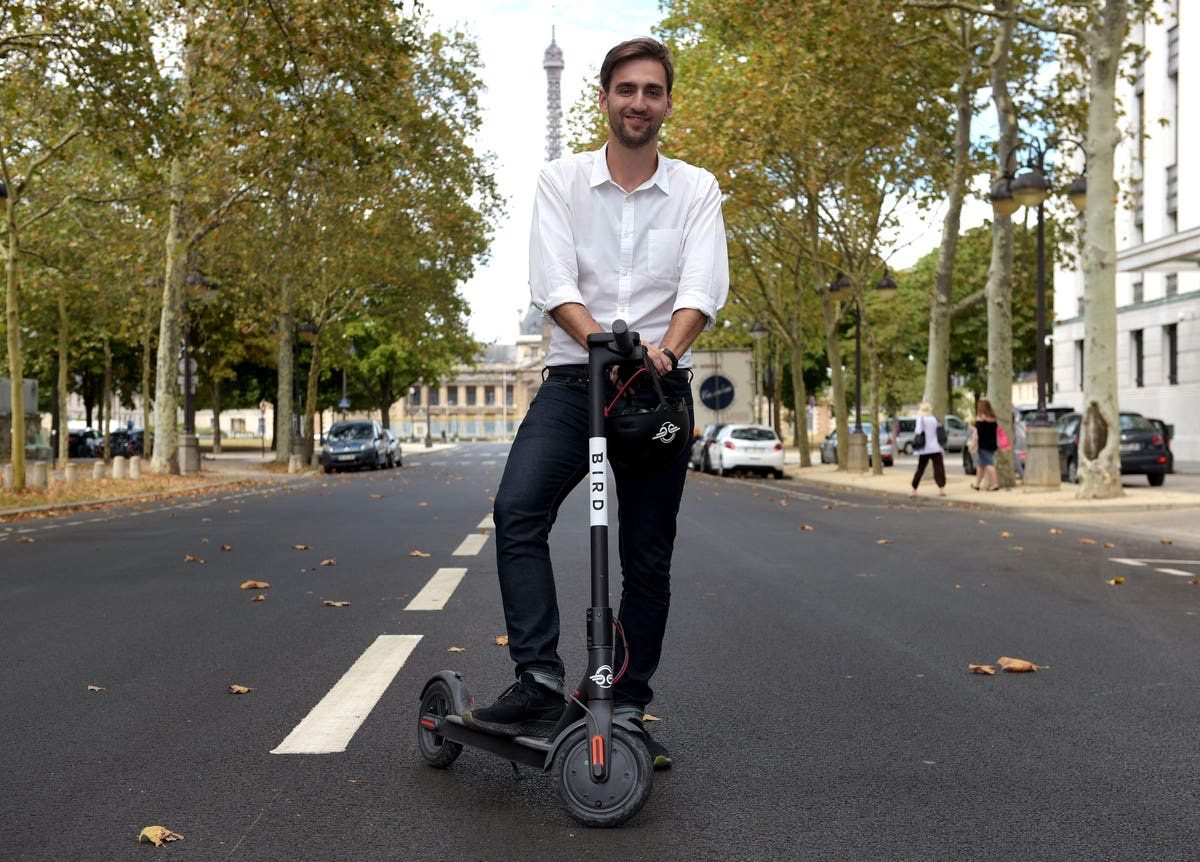
Scooter Startups Take Steps to Curb Inefficiencies, Address Safety Concerns
Shared-electric-scooter startups have blazed into cities across the world over the past two years. Fueled by roughly $1.5 billion in venture capital, industry leaders Bird Rides Inc. and Lime raced to set up sprawling networks of scooter fleets that users can rent with an app.
 wsj.com

ArtList
Moving Art Online
The need for trust is so big that people who buy/sell artwork develop a tightly knit network of people they trust, usually over years, within which they deal exclusively (this holds true for private sales, which represent 53% of global art sales in value).
medium.com
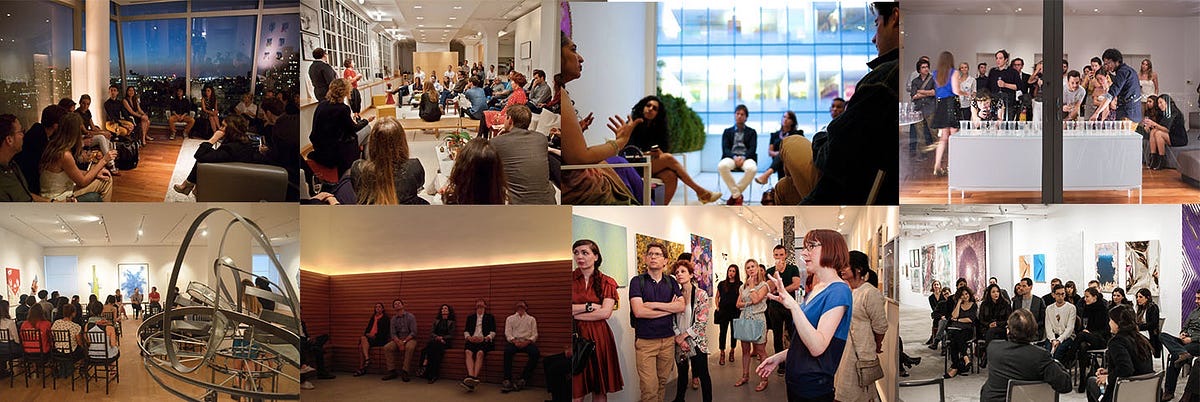
ArtList Update: Making It Simple
Today, just in time for Frieze Art Fair and 3 months since our launch, we are thrilled to announce a major update for ArtList, which takes us one step closer to our vision. Here's what's new: You're now one click away from sending a request to view a private artwork.
medium.com
Ending the Christie's and Sotheby's Duopoly
Christie's and Sotheby's are 250 years old companies that control in duopoly roughly 2/3 of the global secondary art market. They've been a duopoly for so long that they're missing the revolution that will make them irrelevant. Christie's and Sotheby's are the major players in the secondary art market globally.
medium.com
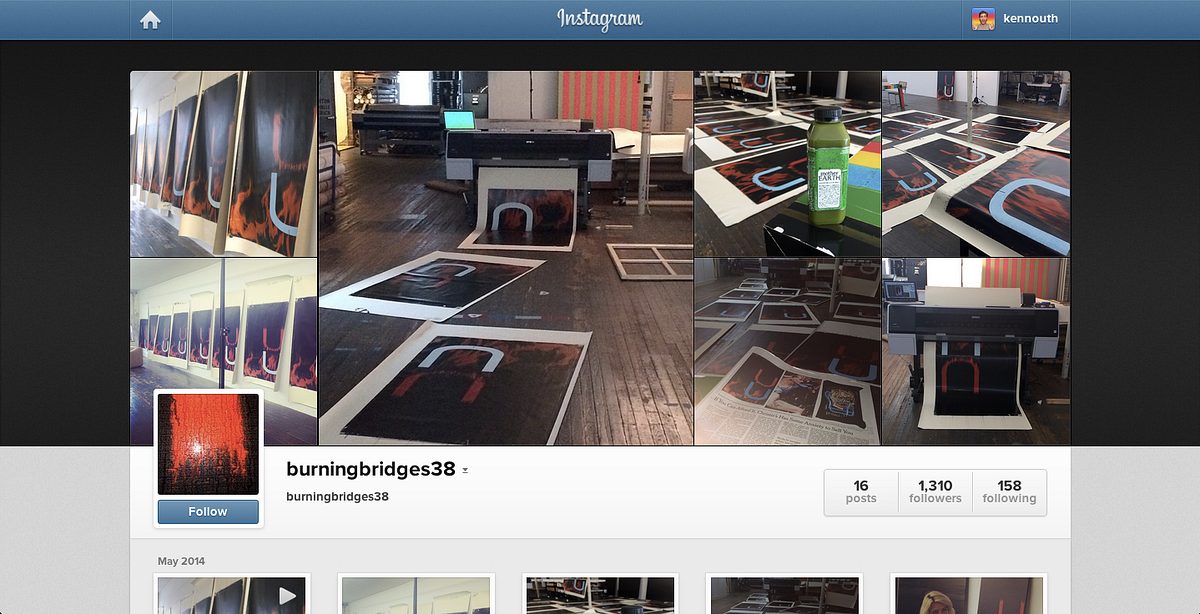
Instagram, Art and artists.
Olivia Fleming What do you think of under-the-radar artists making a name for themselves via social media, rather than going through more traditional channels? (Vogue): Artists like Donald Robertson, Richard Haines, Ashley Longshore and Baron von Fancy have made names for themselves as artists via social media, sometimes selling artwork upwards of $20,000 straight off Instagram (from requests the comments section).
medium.com
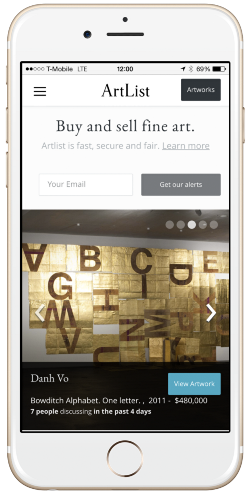
The Ruinart x Gertrude Salon Series
Throughout the month of June, we hosted Salons in NYC with important artists that are redefining tradition and what it means today. "The Ruinart x Gertrude Salon Seriesis about artists redefining tradition - precision , craftsmanshipand meaning - in today's digital domination, fast-consumption and upheaval of world orders."
medium.com

With Pop-Up Salons, Art Is Demystified
Noted On a Saturday afternoon in Chelsea, a group of a few dozen people milled around the International Print Center New York, drinking Champagne and making small talk about the show New Prints 2014/Winter. But this wasn't a gallery opening, nor was it an artist's talk.

Vogue Weighs In On Instagram Art Sales | Artnet News
While those closely monitoring the art world have been aware of the Instagram art sales trend for a while, it appears to have caught the attention of the folks at , who just published a namedrop-heavy feature tracking the trend.
 news.artnet.com
Others
𝙆𝙚𝙣𝙣𝙚𝙩𝙝 𝙎𝙘𝙝𝙡𝙚𝙣𝙠𝙚𝙧
The latest Tweets from 𝙆𝙚𝙣𝙣𝙚𝙩𝙝 𝙎𝙘𝙝𝙡𝙚𝙣𝙠𝙚𝙧 (@kschlenker). Breathing & working on something new 🏔. Now
Mostly art and visual discoveries, and some personal stuff.
Login * Instagram
Welcome back to Instagram. Sign in to check out what your friends, family & interests have been capturing & sharing around the world.